
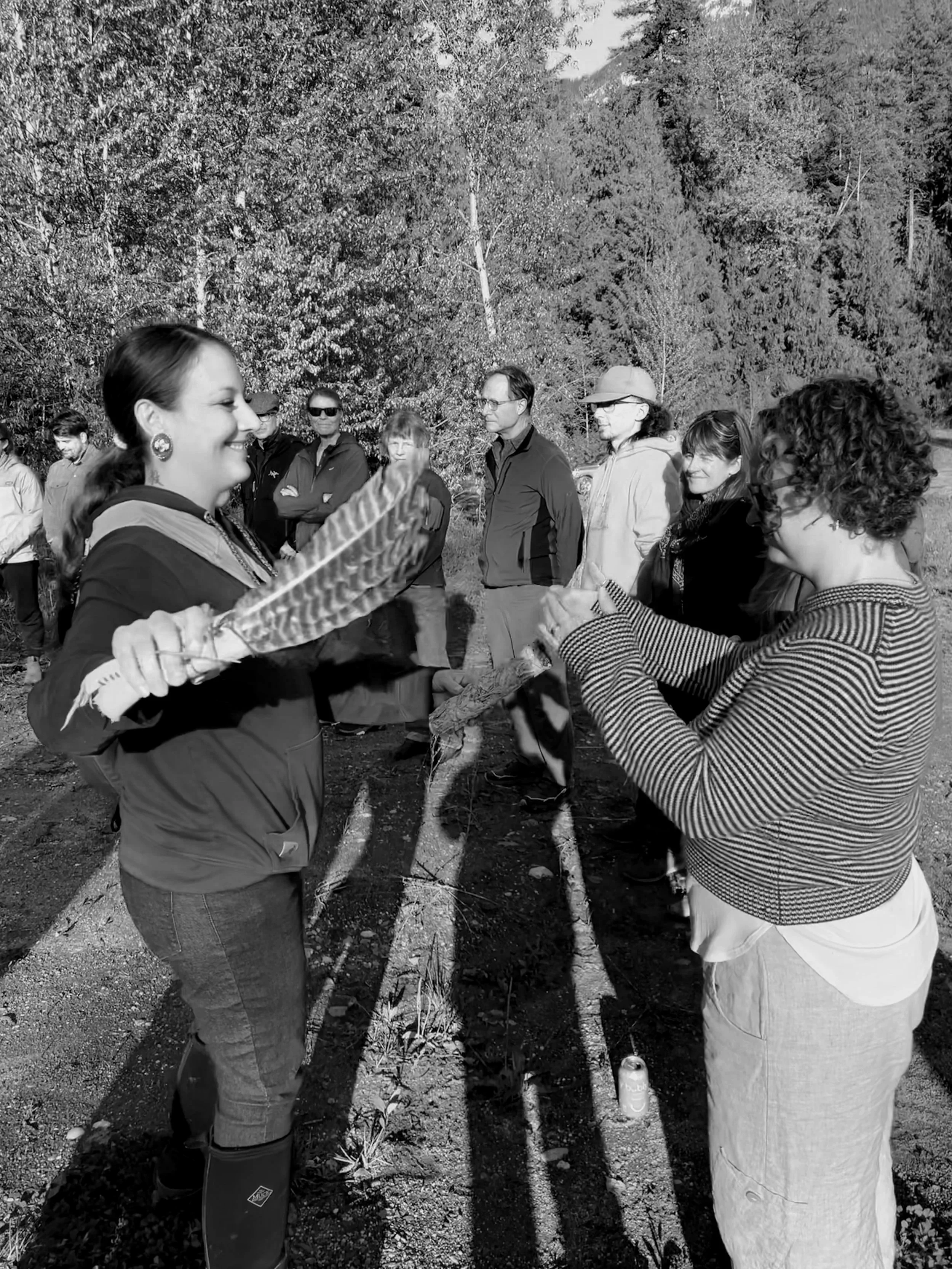
“ “Indigenous food sovereignty is the act of going back to our roots as Indigenous peoples and using the knowledge and wisdom of our people that they used when they were in charge of their own survival. Food sovereignty highlights our innate ability to be in charge of our food system.””
What is food Sovereignty?
Food sovereignty is the right of peoples and communities to access healthy, culturally appropriate food, and to define and control their own food and agricultural systems. A food sovereign community does not rely on food produced and dictated by global markets or corporate interests. It goes beyond food security (which focuses on access to enough food) by emphasizing local decision-making, ecological stewardship, cultural values, and democratic participation in how food is grown, harvested, shared, and eaten. Food sovereignty also highlights the deep connection between food, land, culture, and community well-being, especially for Indigenous peoples whose food systems and traditions have existed for thousands of years.
Blog: The Indigenous Food Sovereignty Movement: Helping in the fight against food insecurity

Sinixt smokehouse construction in Fall 2025 with the help of Remey Lacombe and Rick Desautel of the Sinixt Confederacy and many volunteers.
Indigenous Food Sovereignty at the Food Commons
Located on the traditional territories of the Sinixt, Secwépemc, Ktunaxa, and Syilx Nations, the Food Commons contributes to Indigenous food sovereignty by restoring land as a living space for Indigenous food systems, cultural practices, and knowledge sharing. By facilitating Indigenous-led workshops, land-based learning, and building culturally significant gardens, the Food Commons supports the revitalization of traditional foodways and plant knowledge. By centering Indigenous voices in programming and decision-making, the Food Commons helps restore relationships to land that were disrupted by colonization. The project fosters intergenerational learning, cultural continuity, and shared stewardship of public land, contributing to a more just, resilient, and community-rooted local food system.
Seeds and Sovereignty
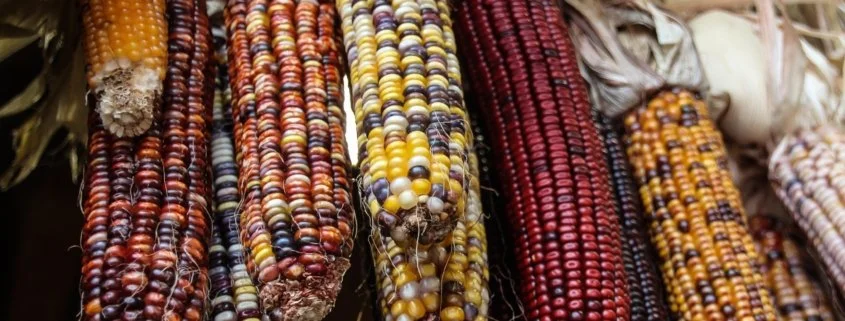
Seed sovereignty is the right to save, grow, exchange, and control seeds without dependence on large corporations or restrictive laws. For many Indigenous peoples, seeds are carriers of ancestral knowledge and ecological stewardship practices developed over generations. Colonization disrupted these relationships through land dispossession, forced assimilation, and the introduction of industrial agriculture and patented seeds. Seed sovereignty restores community authority over traditional seed varieties, protects biodiversity, and supports the transmission of cultural knowledge to future generations.
Find out more about seed saving and explore seed resources, including the Revelstoke Seed Library, below!
How are other communities building Indigenous food sovereignty?
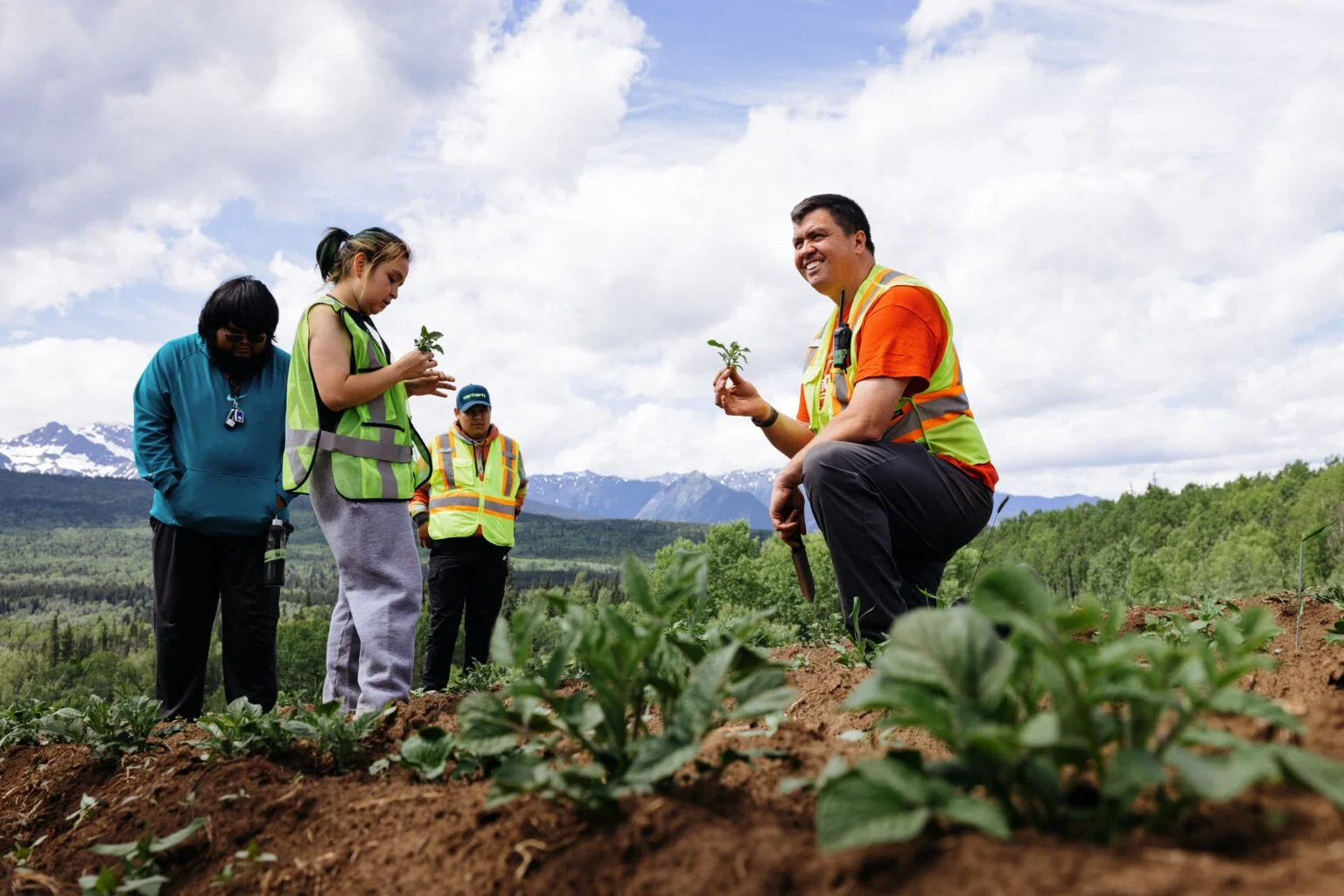
Image: Jacob Beaton and trainees at Tea Creek in Gitxsan Territory
Colonization of food systems
Colonization deeply disrupted Indigenous foodways by breaking long-standing relationships between people and the lands, waters, plants, and animals that sustained them. When Indigenous communities were displaced from their territories and confined to reserves, access to traditional hunting, fishing, gathering, and growing areas was restricted. Policies like the residential school system interrupted the passing of food knowledge between generations, weakening cultural practices tied to harvesting and preparing traditional foods. At the same time, environmental degradation and resource extraction damaged ecosystems that supported native plants and wildlife. As access to traditional foods declined, many communities were pushed toward store-bought, highly processed foods, contributing to serious health impacts. These changes affected more than diet — they disrupted culture, identity, community connection, and self-determination. Today, efforts to revitalize Indigenous foodways are not only about food security, but about restoring relationships to land, strengthening cultural continuity, and supporting community wellbeing.
Two-Eyed Seeing: Holding Indigenous and Western Ways of knowing togeter
Two-Eyed Seeing is a concept developed by Mi'kmaq Elder Albert Marshall that invites us to look at the world through two eyes at once: one eye seeing the strengths of Indigenous ways of knowing, and the other seeing the strengths of Western ways of knowing, and using both together. Rather than placing these knowledge systems in conflict, Two-Eyed Seeing intentionally and respectfully brings together different ways of knowing, encouraging people to use all our gifts. It is rooted in the belief that the concentration on common ground between Indigenous and Western ways of knowing means that one does not have to relinquish either position, but can come to understand elements of both. As Robin Wall Kimmerer beautifully captures it, this is a dance of cross-pollination that can produce a new kind of knowledge and a new way of being in the world.
“After all, there aren’t two worlds, there is just this one good green earth. ”
Learn more about Indigenous Food Sovereignty
Indigenous Food Systems Network | Seeds of Sovereignty | Working group on Indigenous Food Sovereignty
